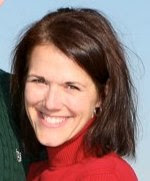
As you may know, in order to get into the NYC Marathon, you have to enter a lottery and keep your fingers crossed that you get in. It's such a huge race and so many people want to do it, it's the only fair way to handle all of the entries they receive each year. If you don't get picked for three years in a row, you're automatically in the following year. There are also other ways to gain entry, including running a certain number of road races through the New York Road Runners (NYRR) team or raising money for a charity.
I entered the lottery last year and didn't get in, so I entered again this year...and didn't get in. Dismayed by the whole thought of having to wait two more years for guaranteed entry, I made the decision to raise money for a charity. I selected Fred's Team, which raises money to support Memorial Sloan-Kettering. Their goal is to live in a world free of cancer. With so many friends and family members who have either fought against cancer or know someone who has, I felt drawn to this particular charity. So now comes the fun part, raising money. I need to raise $3,500 by November 6th. I'm excited and petrified all as the same time -- sort of how I feel about running my second marathon.
I'll share my training plan and the trials and tribulations of preparing for a marathon and fundraising. I'd love to get your input, too. Have you completed a marathon? Any tips you'd like to share?
I could use your help. Check out my fundraising page. Thanks in advance for your help!
Tuesday, June 14, 2011
Thursday, June 2, 2011
Children & Finances
Teaching children about money doesn't have to be complicated. It's important to teach the value of earning and saving money. Here is a great Q&A interview with some helpful tips when it comes to explaining finances to children:
Interview with Personal Finance Expert, Pamela Yellen, President of Bank On Yourself
1. What are your thoughts on allowances? Good idea? Bad?
Allowances are a great idea, as long as they are tied into chores. The earlier children learn basic financial principles, such as the exchange of goods and services for money, the better.
Too many people in our country have come to depend on others for their financial security, leaving them feeling as though they have little or no control over their future.
The writing is on the wall: We all need to take responsibility for our financial destiny and stop relying on the government, an employer, or failing social programs.
And nothing builds a child's self-esteem faster than self-reliance.
2. If you think they're okay, what's a reasonable age to start and how much should be given?
Children as young as age 4 can benefit. An allowance can help teach them how to recognize coins, though they're also more likely to lose them.
The amount the child receives for chores should be based on their age as well as what you expect them to use the money for. Will they be expected to purchase birthday gifts for friends, school lunches, or a trip to the mall, for example? If so, the allowance needs to be able to cover that.
3. What do you recommend children do with their earnings?
I recommend the "40/30/20/10 Saving Rule." 40% of their earnings can be used for spending, 30% should be set aside for short-term savings, 20% for long-term savings and 10% for donating.
If children sort their money into these categories every week, they will develop responsible lifelong money-management skills at an early age.
4. How do you encourage children who are bombarded with advertisements for the latest gadgets and who are also pressured to "keep up with the Joneses" at school to save?
Trying to "keep up with the Joneses" almost brought our country to its knees. The key is in helping your children understand the difference between a "need" and a "want." Hold regular "family night" discussions with the whole family during which you go over the family budget and review where the money is going.
Helpful Tip: Have your children write out the checks to pay family expenses.
Teaching by example is absolutely critical. If you tell your children one thing, but do another, they will catch on very quickly. Explain how there are things you'd like to buy that you decided to forego and why.
And always look for things you can do as a family that cost little or no money, to create experiences and lasting memories.
5. What approach do you recommend parents take when talking with children about finances?
Many couples don't have regular, honest discussions about money with each other, let alone talk to their children about it.
The time to start is today. Be honest about where you are financially and where you wan to be. Walk the talk. Read "The Richest Man in Babylon," by George Clason, out loud as a family.
And don't be afraid to openly discuss the mistakes you've made and what you've learned from them.
----------------------------------------------------------------------------------------------------------------------
About Pamela:
As a consultant to financial advisors, Pamela Yellen investigated more than 450 savings and retirement planning strategies seeking an alternative to the risk and volatility of stocks and other investments. Her research led her to a time-tested, predictable method of growing and protecting savings now used by more than 400,000 Americans. Pamela's book, BANK ON YOURSELF: The Life-Changing Secret to Growing and Protecting Your Financial Future, is a New York Times Bestseller. She has been featured on ABC, NBC, CBS, CNN, FOX, NPR and in The Huffington Post, Fortune Small Business and hundreds of other publications. Learn more at www.BankOnYourself.com and www.BankOnYourselfNation.com, her new financial education site. For more tips from Pamela on children and finances, check out 7 Steps to Set Your Teens on a Lifelong Path to Financial Success.
Interview with Personal Finance Expert, Pamela Yellen, President of Bank On Yourself
1. What are your thoughts on allowances? Good idea? Bad?
Allowances are a great idea, as long as they are tied into chores. The earlier children learn basic financial principles, such as the exchange of goods and services for money, the better.
Too many people in our country have come to depend on others for their financial security, leaving them feeling as though they have little or no control over their future.
The writing is on the wall: We all need to take responsibility for our financial destiny and stop relying on the government, an employer, or failing social programs.
And nothing builds a child's self-esteem faster than self-reliance.
2. If you think they're okay, what's a reasonable age to start and how much should be given?
Children as young as age 4 can benefit. An allowance can help teach them how to recognize coins, though they're also more likely to lose them.
The amount the child receives for chores should be based on their age as well as what you expect them to use the money for. Will they be expected to purchase birthday gifts for friends, school lunches, or a trip to the mall, for example? If so, the allowance needs to be able to cover that.
3. What do you recommend children do with their earnings?
I recommend the "40/30/20/10 Saving Rule." 40% of their earnings can be used for spending, 30% should be set aside for short-term savings, 20% for long-term savings and 10% for donating.
If children sort their money into these categories every week, they will develop responsible lifelong money-management skills at an early age.
4. How do you encourage children who are bombarded with advertisements for the latest gadgets and who are also pressured to "keep up with the Joneses" at school to save?
Trying to "keep up with the Joneses" almost brought our country to its knees. The key is in helping your children understand the difference between a "need" and a "want." Hold regular "family night" discussions with the whole family during which you go over the family budget and review where the money is going.
Helpful Tip: Have your children write out the checks to pay family expenses.
Teaching by example is absolutely critical. If you tell your children one thing, but do another, they will catch on very quickly. Explain how there are things you'd like to buy that you decided to forego and why.
And always look for things you can do as a family that cost little or no money, to create experiences and lasting memories.
5. What approach do you recommend parents take when talking with children about finances?
Many couples don't have regular, honest discussions about money with each other, let alone talk to their children about it.
The time to start is today. Be honest about where you are financially and where you wan to be. Walk the talk. Read "The Richest Man in Babylon," by George Clason, out loud as a family.
And don't be afraid to openly discuss the mistakes you've made and what you've learned from them.
----------------------------------------------------------------------------------------------------------------------
About Pamela:
As a consultant to financial advisors, Pamela Yellen investigated more than 450 savings and retirement planning strategies seeking an alternative to the risk and volatility of stocks and other investments. Her research led her to a time-tested, predictable method of growing and protecting savings now used by more than 400,000 Americans. Pamela's book, BANK ON YOURSELF: The Life-Changing Secret to Growing and Protecting Your Financial Future, is a New York Times Bestseller. She has been featured on ABC, NBC, CBS, CNN, FOX, NPR and in The Huffington Post, Fortune Small Business and hundreds of other publications. Learn more at www.BankOnYourself.com and www.BankOnYourselfNation.com, her new financial education site. For more tips from Pamela on children and finances, check out 7 Steps to Set Your Teens on a Lifelong Path to Financial Success.
Labels:
children,
family finances
Tuesday, May 31, 2011
Prosperity Parenting
It's vital to ensure that you teach your children about what having -- or not having -- money means for their future:
How parents sabotage their kids’ successand how they can ‘change the story’
Every parent wants the best for their kids. Yet millions of adults unknowingly sabotage their children’s chances for success.
I grew up poor. I was jealous of rich people and didn’t like them. So over the years I kept trying to get rich, not realizing that my subconscious mind was telling me, “Better stop doing that, or you’ll become one of the evil, mean, nasty rich people!”
The messages against wealth and prosperity are all around us, in our culture, media, and religions. But how many parents stop to think about how their own views on getting ahead influence their children’s ability to succeed?
Your core beliefs about everything related to prosperity – money, relationships, health, and spirituality – are set by the time you’re 10 years old. And no one influences those beliefs more than parents.
Millions of parents do this by conveying a negative vision of prosperity and success. If you tell yourself things like “If it wasn’t for bad luck, I’d have no luck at all,” and “I’m always a day late and a dollar short,” you will, consciously or subconsciously, convey these messages to your kids.
The truth is it’s really not that hard to change your beliefs – If you are aware of them and make that choice. Here are some tips:
Identify negative beliefs you may be creating in your children — Do some critical thinking about what kind of beliefs you developed in childhood about money, rich people and wealth. Honestly ask yourself, are you programming your children with thoughts such as money is bad, rich people are evil, or it’s spiritual to be poor? I call these “mind viruses.” Defeating them starts with acknowledging you have them.
Help kids identify anti-prosperity media messages: Did you ever stop to think about how blockbusters like Titanic and Avatar portray wealth, and how those stories can set kids up with attitudes that sabotage their future success? Talk to your kids about the subliminal messages they receive on TV, in movies and other media. Help them to become self-motivated critical thinkers.
Create a positive vision of prosperity: Examine how you react to families with more wealth than yours when speaking to your kids. Do you discuss them with envy or jealousy, or admiration and respect? Talk to your kids about how their thoughts about wealth can shape their future.
People have a hard time believing they are sabotaging their prosperity at age 30, 40, or 50 because of a belief that was formed when they were six, but I see it all the time. And that’s the book that gets written, unless you become aware of the plotline and decide to change the story.
Whether you and your children are on the path to poverty or prosperity is determined by the thoughts you give precedence to. Your thoughts come from the type of vision you have.
Everyone has a vision. Millions have a negative one; many more have a neutral one. It’s vital to help your children develop a positive one.
About Randy Gage:
Randy helps audiences recognize and reject roadblocks to wealth and prosperity with warmth, wit and wisdom drawing from his rags-to-riches story. A former high school dropout, Randy rose from a minimum wage job and spending time in jail as a teen to become a self-made multi-millionaire who has inspired millions of people around the world. He is the author of eight books on success including Prosperity Mind and Accept Your Abundance that have been translated into more than 25 languages and sold millions of copies worldwide. Learn more about Randy at his public website: http://www.RandyGage.com and on Prosperity TV: http://www.youtube.com/randygage.
Labels:
children,
prosperity
Friday, May 6, 2011
LoveDrop -- Let's Help the Stalnakers Family
Hey guys! The Love Drop team is at it again! Last month they gave over $6,000 worth of cash and goods to their recipient, the Kahlen family, who had been going through a financially hard time due to the economy (and whose daughter is currently battling Tuberous Sclerosis). They focused on their love of spending time together, and brought them over 8 pairs of tickets to a whole bunch of local events. It was awesome, and you can watch how it all went down here.
This month LoveDrop is rallying behind the Stalnakers -- a family who, along with thousands of others along the Gulf Coast, are still reeling from the effects of the BP oil spill. Our goal is to get them a reliable used car this month as their previous two have died, and it's getting harder and harder for them to manage with the one they're currently borrowing. They've been giving back to their community since they moved in, and now it's time for us to help them!
Want to help? Here are three ways you can participate:
This month LoveDrop is rallying behind the Stalnakers -- a family who, along with thousands of others along the Gulf Coast, are still reeling from the effects of the BP oil spill. Our goal is to get them a reliable used car this month as their previous two have died, and it's getting harder and harder for them to manage with the one they're currently borrowing. They've been giving back to their community since they moved in, and now it's time for us to help them!
Want to help? Here are three ways you can participate:
- Help them get a car! -- Our #1 goal is to give them a reliable used car in decent working order. If you have any leads, discounts, or connections in this area, please email Love Drop and let them know.
- Give $1 -- This money will help get them back on their feet, and relieve some financial burden. Every dollar counts!
- Give a gift or service -- Gift cards are always helpful. Places like Target, Wal-mart, restaurants, etc would definitely help them out. Services too - especially those you can offer yourselves, or from your company.
Labels:
lovedrop
Wednesday, May 4, 2011
Where are the Deals?
Deal-a-day websites have exploded in popularity. Deep-pocketed tech veterans Facebook and Google have stepped into this lucrative arena, further crowding this competitive field. The question is, how do the services compare? Courtesy of Online MBA, here’s a handy chart outlines the similarities and differences between the largest players:

Via: OnlineMBA.com
Did any of this info surprise you? I'd love to hear your thoughts. Let me know what you think!
Via: OnlineMBA.com
Did any of this info surprise you? I'd love to hear your thoughts. Let me know what you think!
Labels:
deals,
infographic
Subscribe to:
Posts (Atom)